Laughter
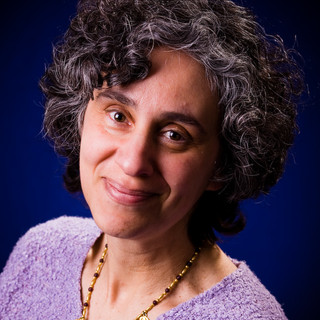
Sefer Breisheet provides us with foundational stories of the forefathers and foremothers, and from Avraham to Joseph and his brothers, it also explores the complexities of family relationships. It is within this ongoing narrative that we find Avraham and Sarah's story of infertility. Avraham and Sarah's saga mixes faith and fertility, and, surprisingly, it also explores the complicated phenomenon of laughter.
We first read about laughter with Avraham in Parshat Lech Lecha. Abraham, by now an old man, hears that his wife will be blessed and their son will give rise to nations and rulers of people. When Avraham laughs, we wonder if his laugh is laced with surprise, joy, or perhaps incredulity.
וַיִּפֹּ֧ל אַבְרָהָ֛ם עַל־פָּנָ֖יו וַיִּצְחָ֑ק וַיֹּ֣אמֶר בְּלִבּ֗וֹ הַלְּבֶ֤ן מֵאָֽה־שָׁנָה֙ יִוָּלֵ֔ד וְאִ֨ם־שָׂרָ֔ה הֲבַת־תִּשְׁעִ֥ים שָׁנָ֖ה תֵּלֵֽד׃
Abraham threw himself on his face and laughed, as he said to himself, “Can a child be born to a man a hundred years old, or can Sarah bear a child at ninety?”
Later, in Parshat Vayeira, we experience a very different type of laughter when Sarah overhears that she, at the approximate age of 89, will soon give birth:
Now Abraham and Sarah were old, advanced in years; Sarah had stopped having the periods of women. And Sarah laughed to herself, saying, “Now that I am withered, am I to have enjoyment—with my husband so old?”
Then the LORD said to Abraham, “Why did Sarah laugh, saying, ‘Shall I in truth bear a child, old as I am?’ Is anything too wondrous for the LORD? I will return to you at the same season next year, and Sarah shall have a son.”
Sarah lied, saying, “I did not laugh,” for she was frightened. But He replied, “You did laugh.”
When we read about Sarah, we can see very different ways of experiencing laughter. Sarah might have stifled a giggle, or perhaps she laughed a bitter laugh under her breath or laughed inwardly. Perhaps it is not the sound of her laugh but her face that gives Sarah away and causes God to ask her why she has laughed.
It is interesting that Sarah denies her laughter. Haven't we all been in situations where laughing is not acceptable, but we cannot help ourselves? Or how many of us have laughed to cover over a cry or embarrassment? Perhaps this hidden laugh paints a picture of Sarah more powerfully than words.
God has already told Avraham what he will name his son: Yitzhak, “He will laugh.”
And so we read:
“Abraham gave his newborn son, whom Sarah had borne him, the name of Isaac.”
The rabbis have written midrashim about the name Yitzhak, but considering what we know about Yitzhak and the trauma associated with his life, this seems a surprising name. Knowing Yitzhak's life, can we anticipate laughter following the trauma of the Akeda? Perhaps it is laughter he will share with his beloved wife, or the laugh of contentment after a good meal, or perhaps Yitzhak will also share the bitter laughter of his mother when he is duped as an old man? Finally, we wonder: how can a man who says so little in his own story be named for laughter? It is puzzling.
Later in Parshat Vayeira, we find one final instance of laughter when Sarah gives birth:
Sarah said, “God has brought me laughter; everyone who hears will laugh with me.”
This is the laughter that we all hope for, a joyous laughter that is contagious for others and a laughter we wish to share. Joy, laughter, and celebration are meant to be shared.
Let's take a moment to put a face on laughter. Think about just some of the words that describe laughter:
Chuckle, giggle, guffaw, chortle, titter, cackle, snicker, snigger, howl, roar, hoot, whoop, crow—just a few!
Which of these laughs is Avraham's laugh? Which is Sarah's? Which is Yitzhak's? Which is yours?
We can see from Sefer Breisheet that there are times for different types of laughter, and each of us experiences different kinds of laughter in our lifetime: silent laughter, guffaws, uncomfortable laughter, laughter with tears of sorrow, and laughter with tears of joy.
In a week where Sarah and Avraham laugh, let's take a few moments to think about laughter in our lives. Do you laugh often? When you do laugh, what is it that makes you laugh? Our laughs, whether they be guffaws or giggles, chuckles or titters, are as individual as our fingerprints. Let's pause this week and use the laughter of Vayeira to think about the role of laughter in our lives. Sometimes it is forthright and sometimes hidden. Sometimes it sends a message and sometimes it identifies us with a larger group. Sometimes laughter is not funny at all, and sometimes it is a glorious gift.
I challenge you to sit with a piece of paper and a pencil and draw your laughter. Perhaps it is a color or a design that you choose. Listen to your laughter. Feel it, internalize it and then accept the challenge to put it on paper. Take five minutes! Don't think too hard!
Shabbat Shalom...May this Shabbat bring you joyous laughter.
Leann
Here is your unofficial drawing space. What does your laughter look like?

For more on laughter:


Comments